
Door Knowledge Hub
A practical library for doors in Dublin: start with a material, a problem, an unusual opening, a commercial entrance or a design idea and follow the connected solutions.
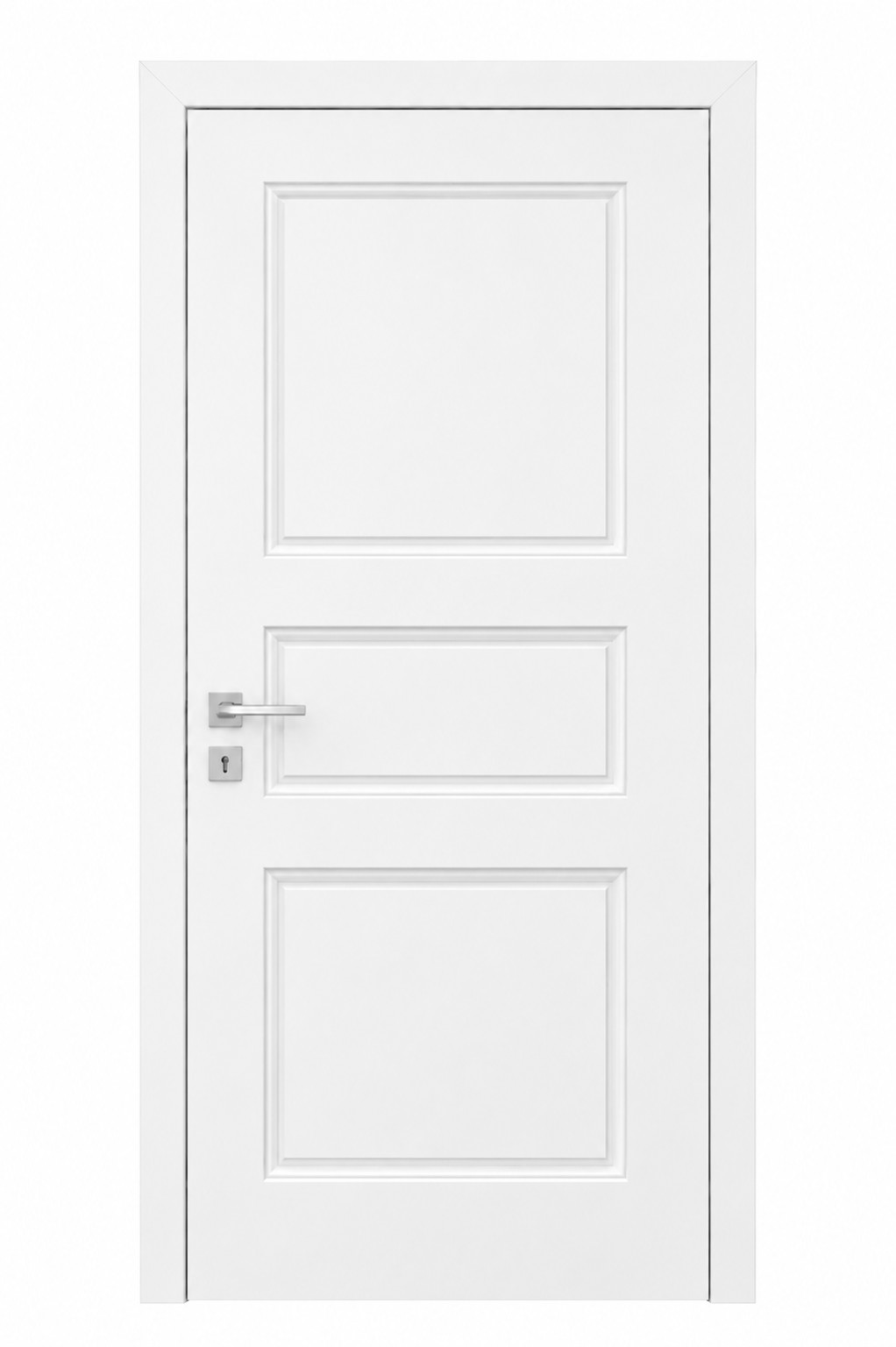
Door Knowledge HubThis doorset diagram supports door knowledge hub by showing the door, frame and hardware as connected parts of one opening.
Everything starts with the door.
These pages are organised around real questions rather than marketing labels. Use them to understand an option, diagnose a symptom or prepare a clearer enquiry.
Hidden & bespoke
Commercial & shopfront
Timber & care
Problems & damage
Glass & openings
More ways to start with a door.
Materials, unusual openings, building types, weather, access and specialist situations — each topic leads to a practical door route.

Timber Door Maintenance
Timber doors need maintenance that matches the timber, finish, exposure and condition. Learn what to inspect before cleaning, oiling, refinishing or repairing a door. Timber species, construction, finish, moisture exposure and hardware need to suit the location rather than being chosen independently.
Explore →
Frameless Glass Doors
Frameless glass doors can create a visually light opening for suitable interiors. Glass specification, hardware, floor levels and surrounding construction need to work together. Glass type, panel size, safety requirements, weight and the supporting door construction should be checked as part of the same specification.
Explore →
Hidden External Doors
A concealed external door has to combine the visual idea with weather protection, security, drainage, thresholds and a buildable façade detail. A clean concealed result depends on the frame, hinges, wall build-up and final decoration being planned together before installation.
Explore →
Floor-to-Ceiling Doors
Full-height doors can make an opening feel architectural and quiet, but height, weight, frame design, hinges and ceiling junctions need early planning. Compatibility with the door material, leaf weight, frame and intended frequency of use matters more than choosing the component in isolation.
Explore →
Oversized Pivot Doors
Large pivot doors can create a strong entrance while distributing movement differently from a conventional side-hung door. Size, weight, floor structure and hardware are central to the design. Door weight, pivot position, floor and head conditions, clearances and hardware capacity are key parts of the specification.
Explore →
Acoustic Doors
Acoustic door performance depends on the complete opening: leaf, frame, seals, threshold, glazing and installation. A heavy door alone does not solve sound leakage. Useful acoustic performance comes from the complete assembly, including the leaf, frame, perimeter seals, threshold and installation quality.
Explore →
Accessible Entrance Doors
Accessible entrances need practical clear openings, manageable operation, suitable thresholds and hardware considered together with the building and its users. Compatibility with the door material, leaf weight, frame and intended frequency of use matters more than choosing the component in isolation.
Explore →
Apartment Entrance Doors
Apartment entrance doors can involve security, smoke or fire performance, acoustics, closers, seals and management-company requirements. The whole door set matters. Fire performance depends on the tested door-set specification and compatible components; individual parts should not be treated as a rating on their own.
Explore →
School & Education Doors
Doors for schools, colleges and education spaces need to suit frequent use, circulation, visibility, hardware and any project-specific safety or performance requirements. Compatibility with the door material, leaf weight, frame and intended frequency of use matters more than choosing the component in isolation.
Explore →
Hotel & Hospitality Doors
Hospitality doors combine appearance with repeated use, privacy, acoustics, access, cleaning and project-specific performance requirements.
Explore →
Clinic & Healthcare Doors
Clinic and healthcare doors may need easy-clean finishes, visibility, privacy, controlled access, robust hardware and project-specific performance.
Explore →
Restaurant & Café Doors
Restaurant and café doors can involve customer entrances, glazed fronts, kitchens, toilets, service routes and back-of-house openings with very different requirements. Glass type, panel size, safety requirements, weight and the supporting door construction should be checked as part of the same specification.
Explore →
Garage Side & Access Doors
Garage and side-access doors need sensible security, weather protection, thresholds and materials for an opening that is often more exposed than the main entrance. Security should be considered as a complete door-set issue: leaf, frame, fixings, lock, cylinders, keeps and glazing can all influence the result.
Explore →
Doors for Exposed & Coastal Locations
Exposed entrances need materials, finishes, hardware, drainage and maintenance chosen for wind-driven rain, moisture and demanding weather. Compatibility with the door material, leaf weight, frame and intended frequency of use matters more than choosing the component in isolation.
Explore →
Fire Door Replacement Planning
Where a fire-resisting door set is required, replacement planning must preserve the specified system: leaf, frame, seals, glazing, hardware and installation details. Fire performance depends on the tested door-set specification and compatible components; individual parts should not be treated as a rating on their own.
Explore →More ways to start with what happened to the door
The hub now separates finish, hardware, weathering and structural symptoms so each question leads to a more specific explanation.
Door finish damage
Paint, lacquer, varnish, chips and local coating failure.
Explore solution →Door hardware faults
Handles, locks, hinges, latches and closer problems.
Explore solution →Seals & thresholds
Gaps, weather seals, threshold damage and water-related symptoms.
Explore solution →Dents & scratches
Surface damage across timber, metal, composite and painted doors.
Explore solution →Lock-area damage
Splits, forced-entry damage and weakened material around locks or latches.
Explore solution →Swollen door edges
Moisture, seasonal movement, rubbing and clearance decisions.
Explore solution →


One door hub, four ways to start.
Start with a symptom, the result you want, the type of property or the material. Each route connects back into the wider Doors Dublin library.
What is happening?
Sticking, damage, draughts, water, hardware, glass and other symptoms.
Open route →What do you want?
Light, privacy, security, quieter rooms, hidden access or an unusual result.
Open route →Where is the door?
Home, apartment, shop, office, institution, workshop or another setting.
Open route →Which material?
Timber, composite, aluminium, steel, stainless steel, glass and finishes.
Open route →Bespoke Smart Doors
Explore the Doors Dublin Smart Doors project route: discreet access systems, high-gloss piano-lacquer MDF, custom frames, concealed systems and architectural integration around the opening.
Explore Smart Doors →