
Door hardware installation
Door hardware installation is considered as part of the complete door setup so operation, alignment and finish work together. We can discuss compatible hardware when supplying, fitting or replacing doors in Dublin.
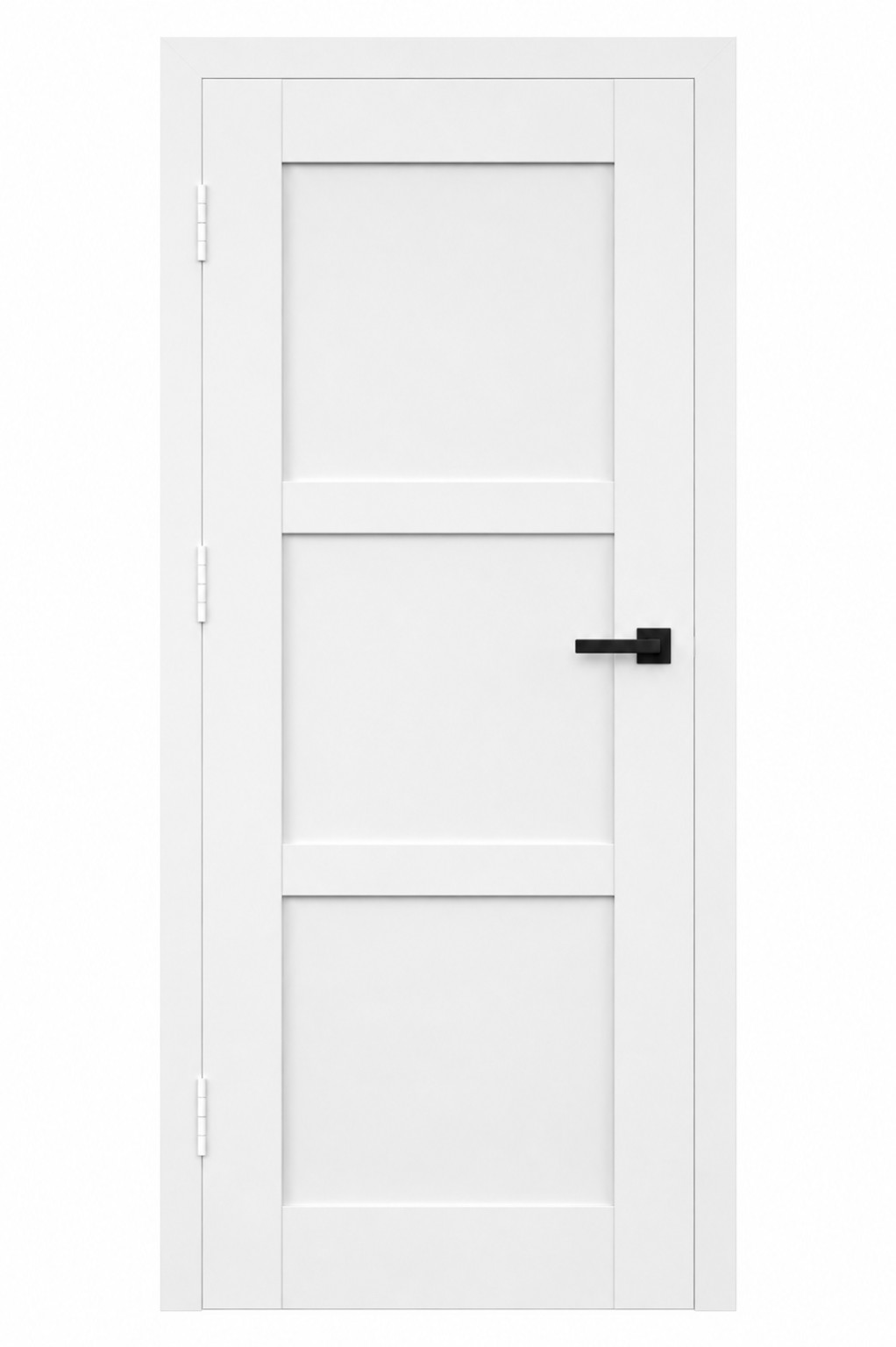
Door hardware installationThis hardware detail supports door hardware installation by focusing on the lock, latch or handle zone rather than using a generic door image.
More door hardware options.
Open any card to explore the connected door material, finish, frame, glazing or hardware topic without leaving the Doors Dublin structure.

Multipoint Locks for Doors
Multipoint locking systems engage the door at more than one point and are commonly integrated into selected external, composite and aluminium door systems. The slab construction, glazing, threshold, weather seals and locking arrangement all affect how the finished entrance performs in everyday use.
Open →
Magnetic Latches for Doors
Magnetic latches can create a clean-looking internal door edge because the latch can sit flush until it meets the strike plate. For internal doors, room use, privacy, ventilation, floor clearance, frame condition and hardware help determine the most suitable specification.
Open →
Concealed Door Hinges
Concealed hinges sit largely within the door and frame so the hinge body is hidden when the door is closed. A clean concealed result depends on the frame, hinges, wall build-up and final decoration being planned together before installation.
Open →
Pivot Hinges for Doors
Pivot hardware supports a door around pivot points rather than conventional side-mounted butt hinges. Door weight, pivot position, floor and head conditions, clearances and hardware capacity are key parts of the specification.
Open →
Door Hardware Finishes
Handles, hinges, locks, pulls and accessories can be coordinated in a common finish to tie the door design together. Security should be considered as a complete door-set issue: leaf, frame, fixings, lock, cylinders, keeps and glazing can all influence the result.
Open →
Door Hardware Positioning
Handle, lock, hinge and closer positions affect usability, appearance and manufacturing preparation. Security should be considered as a complete door-set issue: leaf, frame, fixings, lock, cylinders, keeps and glazing can all influence the result.
Open →Made to suit the opening.
Measurements, material, frame condition, hardware and finish can all affect the final choice. Tell us what you have now and what you want to achieve, and we can discuss a practical option for your property.
Continue from this door detail.
Multipoint Locks for Doors
Multipoint locking systems engage the door at more than one point and are commonly integrated into selected external, composite and aluminium door systems. The slab construction, glazing, threshold, weather seals and locking arrangement all affect how the finished entrance performs in everyday use.
Open →Magnetic Latches for Doors
Magnetic latches can create a clean-looking internal door edge because the latch can sit flush until it meets the strike plate. For internal doors, room use, privacy, ventilation, floor clearance, frame condition and hardware help determine the most suitable specification.
Open →Concealed Door Hinges
Concealed hinges sit largely within the door and frame so the hinge body is hidden when the door is closed. A clean concealed result depends on the frame, hinges, wall build-up and final decoration being planned together before installation.
Open →Pivot Hinges for Doors
Pivot hardware supports a door around pivot points rather than conventional side-mounted butt hinges. Door weight, pivot position, floor and head conditions, clearances and hardware capacity are key parts of the specification.
Open →