
Door Problems & Solutions
If a door is damaged, sticking, draughty, misaligned, difficult to lock or simply no longer suitable, start with the problem. Doors Dublin can help identify a repair, adjustment or replacement route.
Door Problems & Solutions
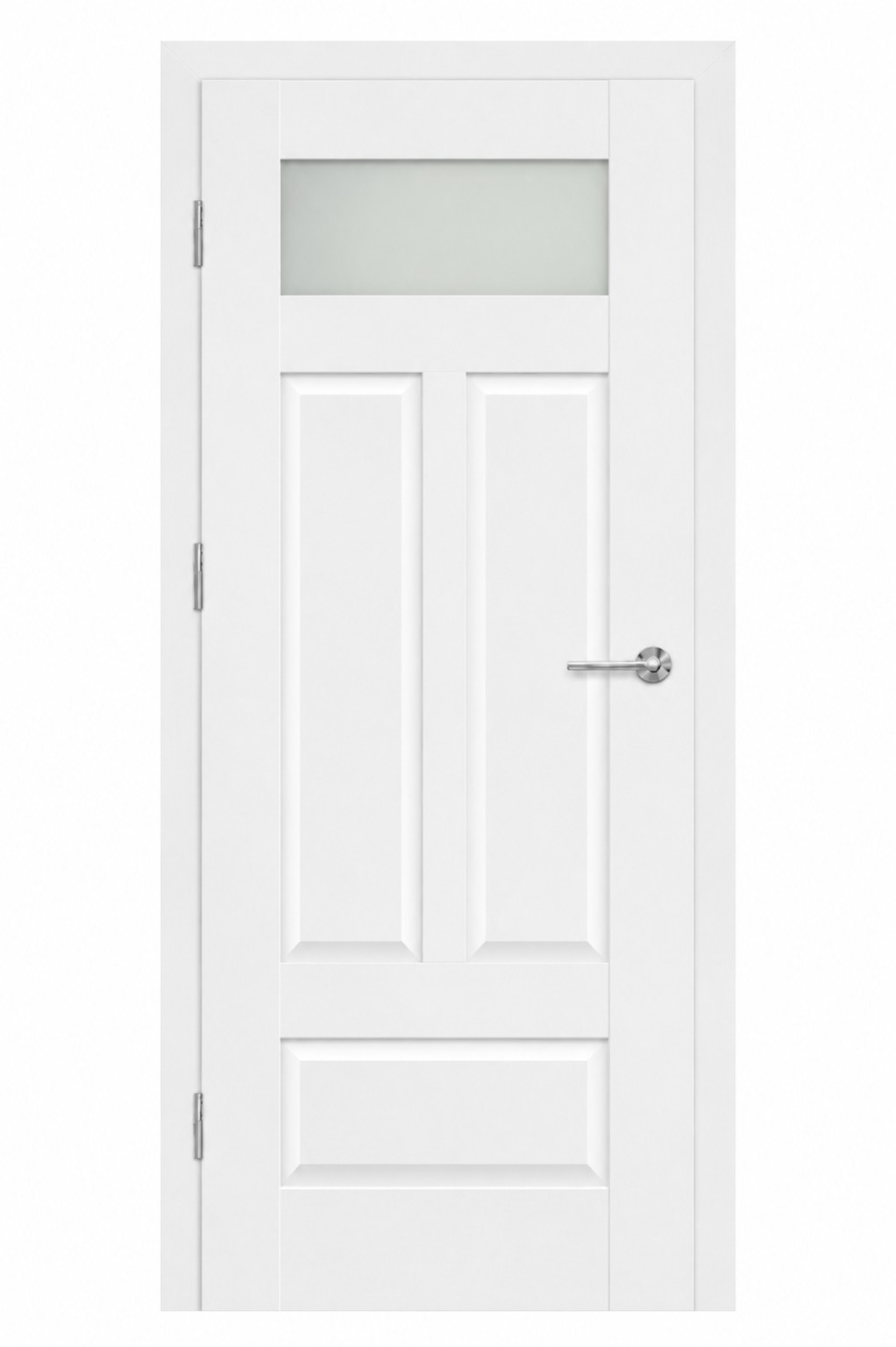
This page is connected to the wider Doors Dublin door range; the image is a visual reference from an existing Doors Dublin collection rather than a fixed specification for every project.
Find the problem you can see
A door problem is often easier to describe than to name. Choose the closest symptom below. Each route explains what may be repairable, what may need replacement and what details help us assess it.
Damaged paint, lacquer or varnish
Scratches, flaking paint, worn lacquer, chipped edges and local finish damage on timber or painted doors.
Explore solution →Door will not close properly
Rubbing, sticking, latch misalignment, floor clearance and movement in the door or frame.
Explore solution →Cracked or damaged frame
Splits around hinges or locks, impact damage, loose sections and repair-versus-frame-replacement decisions.
Explore solution →Handles, hinges or lock problems
Loose handles, worn hinges, latches that miss, cylinders, closers and hardware that no longer operates cleanly.
Explore solution →Water, swelling or draughts
Moisture movement, weather seals, thresholds, swollen timber and external-door water ingress.
Explore solution →Broken or damaged glass
Cracked, chipped or failed glazed panels, privacy glass and replacement options where the door construction allows it.
Explore solution →Break-in or impact damage
Forced-entry damage to leaf, frame, lock area, glazing or hardware, with practical next-step planning.
Explore solution →Dents, scratches and edge damage
Cosmetic and deeper surface damage on timber, metal, composite or painted doors — assess repair, refinish or replacement.
Explore solution →Damaged seals or threshold
Worn seals, loose thresholds, gaps and weathering issues that affect comfort, water protection or closing.
Explore solution →You do not need to know the door terminology
Tell us what is happening: the door will not close, the frame is cracked, glass is damaged, hinges are pulling away, the lock no longer lines up, water has affected the door or an entrance has been damaged.
A photograph and short description can often give us enough context to decide what information is needed next.
Repair, adjust or replace
Some problems are local to hinges, hardware, seals, glass or the frame. Others make replacement more sensible. The aim is to understand the opening before assuming the whole door set must be changed.
More door problems and practical routes
The same visible symptom can have several causes, so these pages are written around what you can actually see or feel at the door.
Paint, lacquer & varnish damage
Local finish damage, worn coating, flaking paint and chipped edges — check whether refinishing or replacement makes more sense.
Explore solution →Dents & scratches
Surface marks can be cosmetic or structural depending on depth, material and whether the skin, veneer or timber is broken.
Explore solution →Door will not close
Rubbing, sticking, hinge movement, latch position, floor clearance and frame alignment are common causes.
Explore solution →Frame damage
Cracks, loose frame sections and damaged hinge or lock areas can sometimes be locally repaired.
Explore solution →Hardware faults
Handles, hinges, locks, cylinders, latches and closers can often be diagnosed separately from the door leaf.
Explore solution →Water & moisture
Swelling, staining, finish breakdown, thresholds and seals need the moisture source considered as well as the door.
Explore solution →Broken glass
Glazing replacement depends on the glass type, bead or frame system, safety requirements and condition of the door.
Explore solution →Break-in damage
Forced-entry damage can affect the lock area, leaf edge, frame, glazing and surrounding opening.
Explore solution →Seals & thresholds
Gaps, torn seals, loose thresholds and worn weathering details can affect closing, draughts and water resistance.
Explore solution →Door closer problems
Slamming, slow return, incomplete closing and heavy-use wear can often be traced to the closer or surrounding hardware.
Explore solution →Chipped door edge
Edge damage near locks and latches needs different treatment from a light cosmetic chip elsewhere on the leaf.
Explore solution →When replacement is better
Some damage makes repeated repair poor value. Compare the leaf, frame, hardware and finish before deciding.
Explore solution →