
Single and double wooden doors
Single and double wooden doors should be specified around the opening, intended use and compatible door system — not as an isolated product choice. Timber doors vary by construction, species or veneer, moisture exposure and intended location. Paint, stain, lacquer or clear finishes can be appropriate depending on the door, but edges, faces and cut-outs need compatible protection and maintenance.
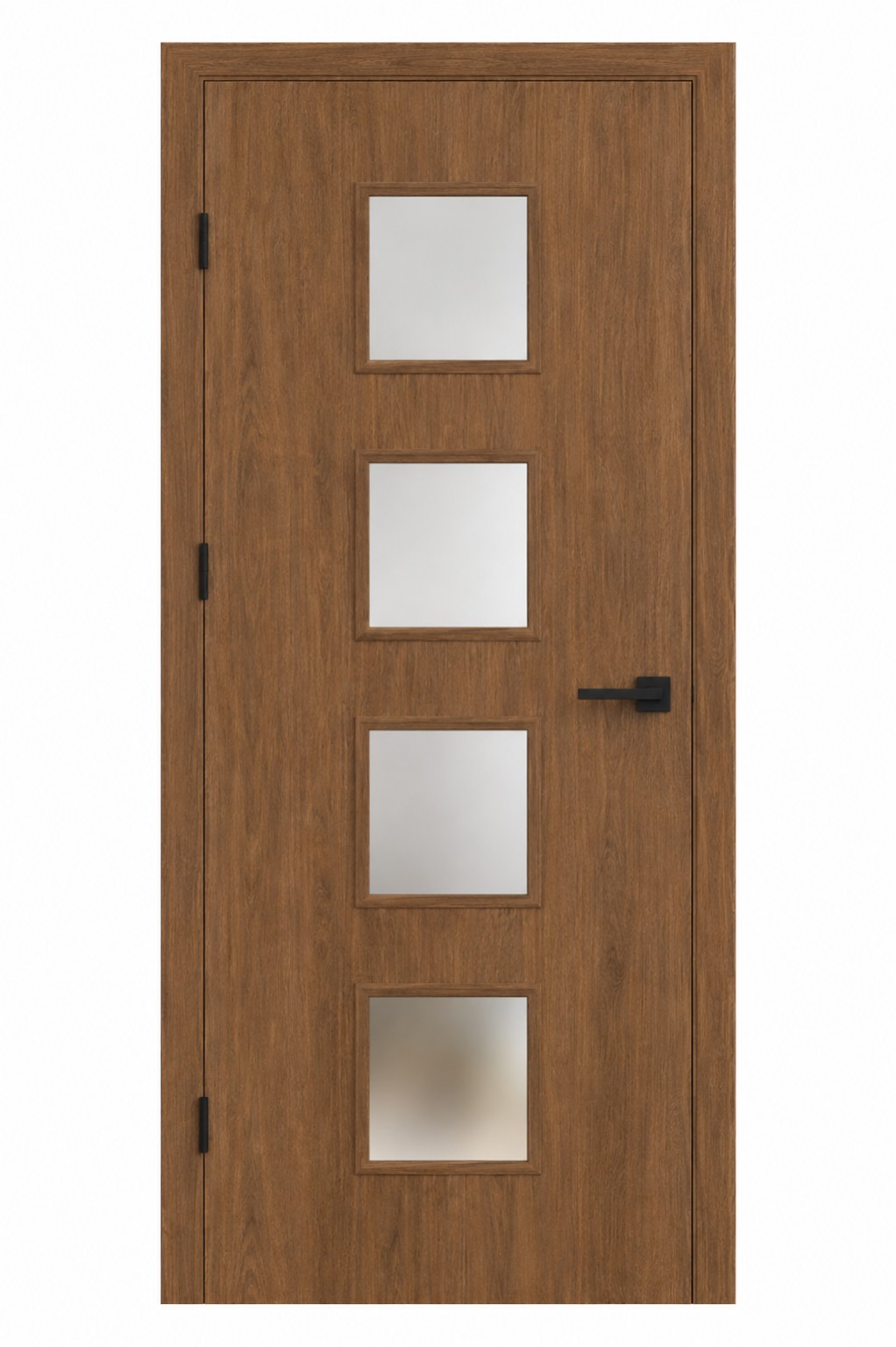
Single and double wooden doorsThis doorset diagram supports single and double wooden doors by showing the door, frame and hardware as connected parts of one opening.
Made to suit the opening.
Measurements, material, frame condition, hardware and finish can all affect the final choice. Tell us what you have now and what you want to achieve, and we can discuss a practical option for your property.
Continue from this door detail.

Timber Door Grain & Matching
Natural timber grain is part of the appearance of wooden doors and can vary between pieces even within the same species. Timber species, construction, finish, moisture exposure and hardware need to suit the location rather than being chosen independently.
Open →
Timber Doors & Moisture Movement
Wood responds to changes in moisture and humidity, which can affect clearances, panels and alignment over time. Timber species, construction, finish, moisture exposure and hardware need to suit the location rather than being chosen independently.
Open →
Clear Finishes for Timber Doors
Clear finishes can protect timber while allowing the grain and natural colour to remain visible. Timber species, construction, finish, moisture exposure and hardware need to suit the location rather than being chosen independently.
Open →
Painted Finishes for Timber Doors
Paint-grade wooden doors can be finished in colours that coordinate with frames, skirting, walls or other joinery. Timber species, construction, finish, moisture exposure and hardware need to suit the location rather than being chosen independently.
Open →