Composite Doors Dublin
Composite doors combine several materials into one door system. Doors Dublin can plan the leaf, frame, glazing, hardware, colour and fitting together rather than treating the surface finish as a separate afterthought.
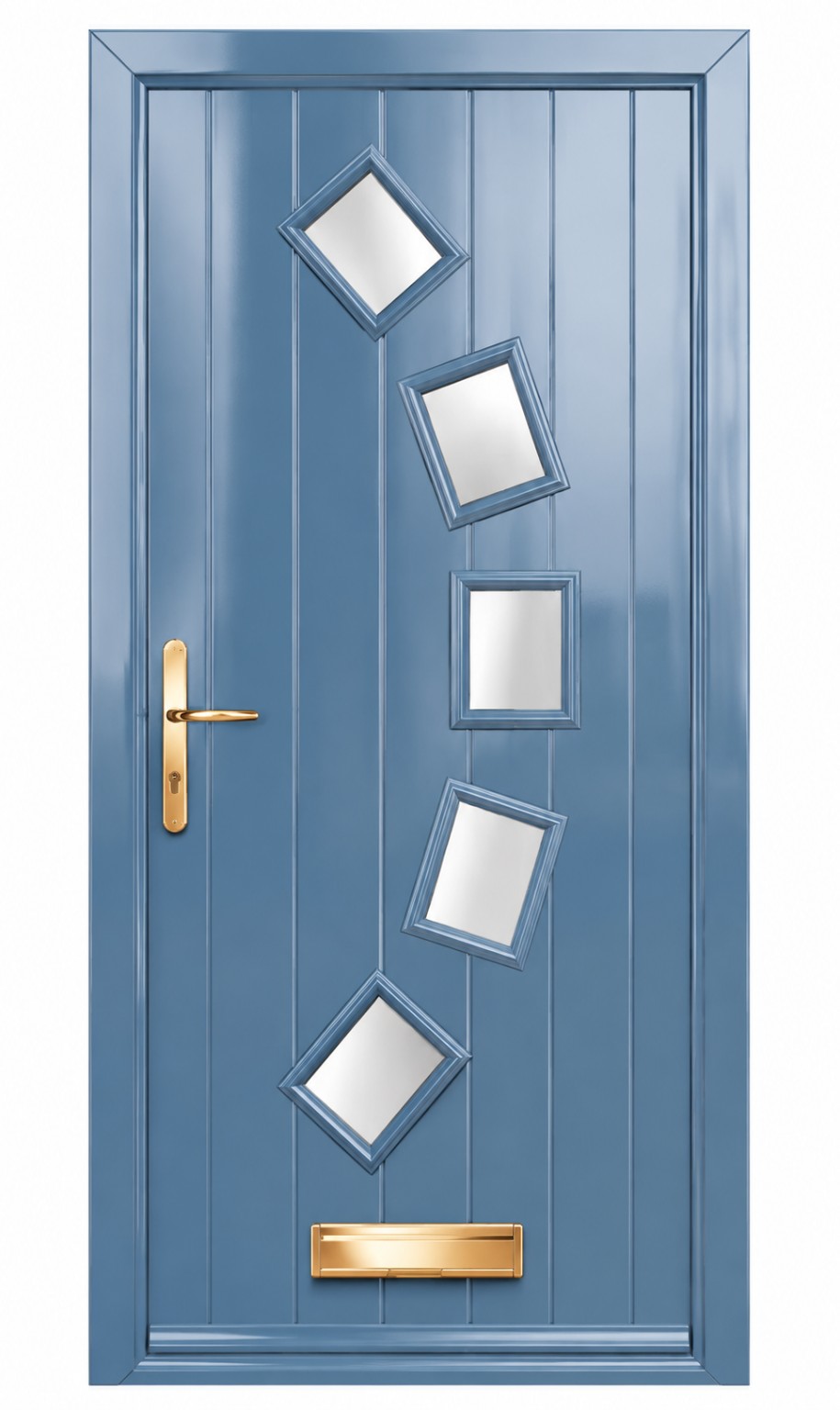
Composite Doors Dublin
This page is connected to the wider Doors Dublin door range; the image is a visual reference from an existing Doors Dublin collection rather than a fixed specification for every project.
How composite doors are built and why that matters
A composite door is normally a multi-material assembly rather than one homogeneous slab. Skins, cores, reinforcement, edge details and the frame each influence weight, stiffness, weather performance, hardware compatibility and the way the surface can be refinished.
Because manufacturers use different constructions, the correct repair or colour route starts with identifying the actual surface and door system. A coating suitable for one composite skin is not automatically suitable for another.
Colour & design
Factory colour, compatible refinishing and project-specific colour matching can all be considered. Surface preparation, adhesion and curing requirements depend on the actual skin/coating.
Glazing & hardware
Glass layouts, side panels, multipoint locking, hinges and pull handles should be coordinated with the leaf and frame rather than added late.
Custom colour without pretending every surface is the same
Doors Dublin can review colour changes and custom-finish options where the substrate and existing coating are suitable. A professional route normally means cleaning/decontamination, controlled abrasion or preparation, an adhesion system selected for the substrate, compatible colour coats and the correct curing conditions.
We do not describe one universal paint recipe because composite surfaces differ. The finish is specified around the real door, not around a generic label.
Supply, fitting and replacement
A composite front-door project can include survey, frame and threshold assessment, new door supply, removal of the existing set, installation, alignment, hardware adjustment, sealing and final checks. Bespoke colour or glazing is considered before ordering or refinishing so the complete result stays coherent.